Dance is an art form that transcends boundaries and cultures, serving as a unique means of expression for individuals. In a world increasingly defined by conformity, dance provides a powerful platform to celebrate individuality. Each dancer brings their personal experiences, emotions, and styles to the stage, creating a vibrant tapestry of movement that captivates audiences. This article explores the rich diversity of styles found in dance showcases, highlighting how choreography can be a celebration of individual expression.
What is Dance Showcase?
At its core, a dance showcase is an event dedicated to displaying various forms and styles of dance. It serves as an opportunity for dancers—whether amateur or professional—to present their skills and artistry to an audience. Ranging from formal recitals to informal performances at community gatherings, dance showcases highlight not only the talent of individual dancers Dance Showcase you in Beaverton but also the diversity within the dance community.
The Importance of Individuality in Dance
Individuality in dance is crucial for several reasons:
Expression: Dance allows individuals to express their innermost feelings and thoughts. Creativity: Unique styles foster creativity and innovation within choreography. Cultural Representation: Diverse backgrounds bring rich cultural stories to life through movement. Community Building: Showcasing different styles encourages inclusivity and understanding amongst dancers.In essence, when dancers embrace their individuality, they contribute to a more profound appreciation of the art form.
Highlighting Individuality: Diverse Styles in Dance Showcase Choreography
Dance is not just about mastering steps; it’s about telling stories through movement. Each style offers its own narrative, infused with cultural significance and personal history. Let's explore some prominent styles that exemplify this diversity.
Ballet: The Foundation of Dance
Ballet is often seen as the cornerstone of many dance showcase schedule Portland dance forms due to its foundational techniques and gracefulness. Originating during the Renaissance period in Italy before flourishing in France and Russia, ballet emphasizes precision, control, and expressive storytelling through movement.
Classical Ballet vs. Contemporary Ballet
- Classical Ballet adheres strictly to traditional techniques such as pliés and pirouettes. Contemporary Ballet, on the other hand, blends classical elements with modern influences, allowing for greater freedom of expression.
Hip-Hop: A Cultural Phenomenon
Hip-hop emerged from urban culture in America during the late 20th century. It's characterized by its energetic style and rhythmic beats that encourage improvisation.
Breaking vs. Popping & Locking
- Breaking involves acrobatic movements often performed on the ground. Popping & Locking emphasize sharp movements that mimic robotic actions.
Jazz: The Rhythm of Life
Jazz dance evolved from African American musical traditions and incorporates various elements from ballet and modern dance.
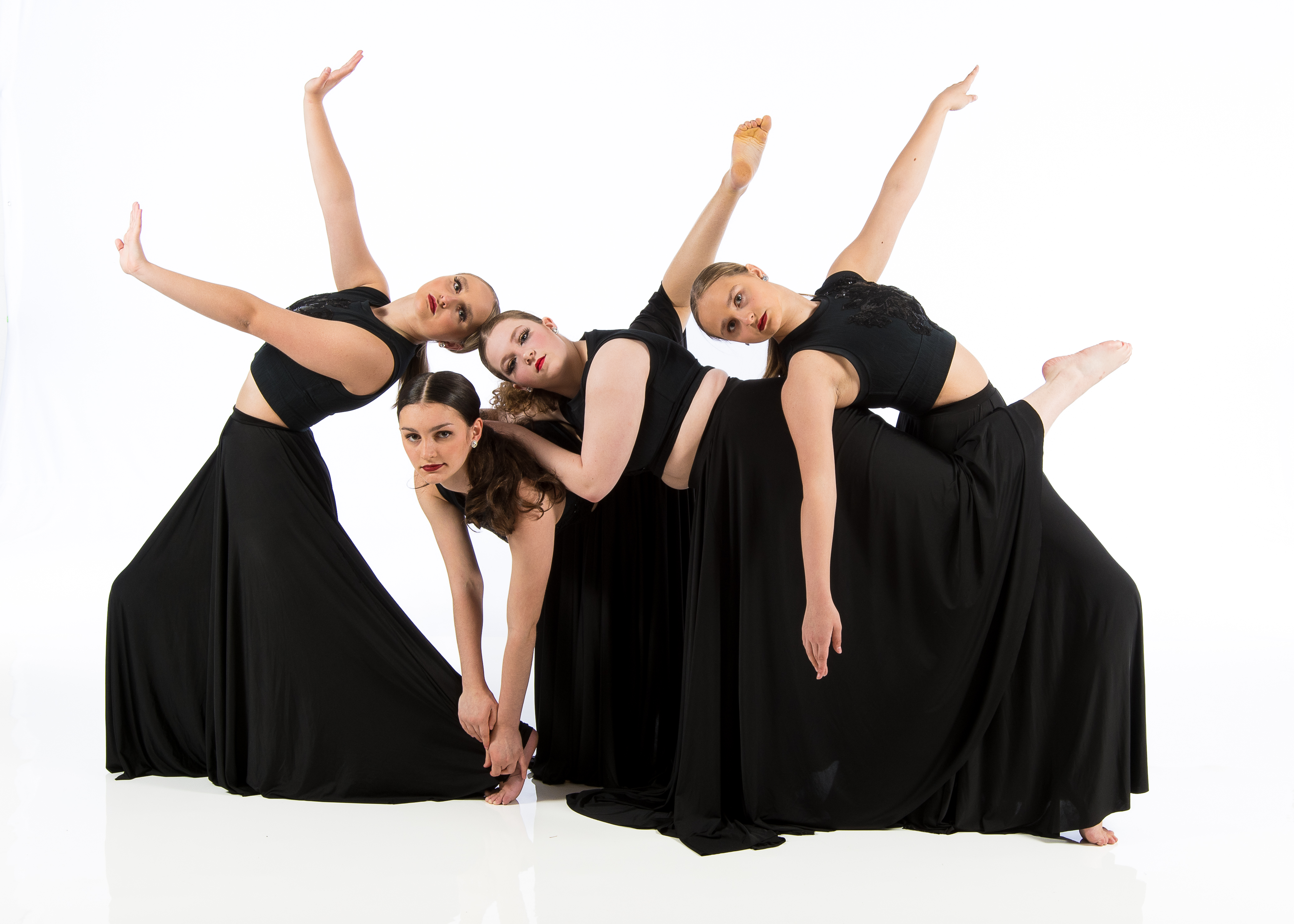
Funk vs. Lyrical Jazz
- Funk Jazz focuses on rhythm and groove. Lyrical Jazz combines jazz with ballet techniques for emotional storytelling.
Tap Dance: The Sound of Feet
Tap dancing stands out due to its use of rhythmic footwork which produces sound patterns akin to music itself.
Broadway Tap vs. Rhythm Tap
- Broadway Tap emphasizes theatrical performance. Rhythm Tap focuses more on musicality rather than performance flair.
Contemporary Dance: Breaking Boundaries
Contemporary dance merges various styles while emphasizing versatility and personal interpretation.
Improvisation vs. Choreographed Pieces
- Improvisation allows dancers freedom without strict guidelines. Choreographed pieces involve pre-planned movements that convey specific themes or emotions.
The Role of Choreography in Highlighting Individuality
Choreography is essential in showcasing diverse styles within a dance showcase setting as it determines how individual dancers express themselves through movement.
Collaborative Choreography: Combining Styles
When choreographers collaborate across different genres, they create unique pieces that blend various influences—allowing each dancer's individuality to shine through while maintaining coherence within the performance.
Solo Performances vs Group Dynamics
Both solo performances and group dynamics serve distinct purposes:
Solo performances allow one dancer's individuality to take center stage. Group performances highlight how diverse individual talents can come together harmoniously.Audience Engagement at Dance Showcases
Engaging the audience is paramount during any dance showcase since it elevates both performer experience and viewer enjoyment.
Creating Emotional Connections Through Movement
Dancers can evoke emotions by expressing vulnerability or joy through choreography that resonates with audiences on a deeper level—making them feel connected not just to the performance but also to each dancer's story behind it!
Interactive Elements Within Shows
Incorporating interactive elements like Q&A sessions post-performance or workshops can further enhance audience engagement while providing insights into each dancer’s journey toward self-expression through their chosen style!
FAQ Section
1. What types of dances are typically included in a dance showcase?
Dance showcases often feature various styles like ballet, hip-hop, jazz, tap, contemporary, ballroom dancing among others!
2. How do I prepare for performing at a dance showcase?
Preparation involves practicing your routine regularly! Also consider warming up before performing & visualizing success while staying hydrated!
3. Are there age restrictions for participating in a dance showcase?
Most showcases welcome participants regardless of age! However some may have specific categories based on ages like children vs adults!
4. Can anyone attend a dance showcase event?
Absolutely! These events are open to everyone who appreciates artful expressions through movement!
5. How often do dance showcases typically occur?
Frequency depends largely upon local organizations’ schedules! Some host annual events while others may offer seasonal showcases throughout the year!
6. What should I wear when attending a dance showcase?
While there's no strict dress code; comfortable attire suitable for watching performances (like casual clothing) would be ideal along with appropriate footwear if you’re planning on dancing yourself afterward!
Conclusion
The beauty of dancing lies not just in technical skills but also in celebrating unique identities woven into each performance showcased on stage! Every style adds richness—transforming ordinary moments into extraordinary memories! By embracing our differences through diverse choreography we uplift each other’s experiences—creating unbreakable bonds united by sheer passion! So whether you’re performing or simply watching—remember every step taken tells someone's journey—a story waiting eagerly for recognition amidst applause echoing long after curtains close!
Thus let’s continue highlighting individuality through these remarkable displays ensuring every heartbeat resonates with authenticity as we paint our world vibrantly alive via expressive movements celebrating all forms collectively at every mesmerizing moment spent together within this beautiful realm known simply as… “dance”!