Introduction
Capturing the essence of a dance performance is no small feat. Every twirl, leap, and emotional expression tells a story that deserves to be immortalized in stunning visuals. Whether you're an amateur photographer or a seasoned professional, employing creative techniques is crucial to ensure that your shots stand out during a dance showcase. This article dives deep into innovative methods that can elevate your photography game, making every click of the shutter count. So grab your camera, loosen up those creative muscles, and let’s explore how to capture unique shots at dance performances!
Creative Techniques for Unique Shots at a Dance Performance
When it comes to dance photography, one size certainly does not fit all. Each performance offers its own unique rhythm and atmosphere, which calls for tailored approaches to capture its essence. Let's dive into the heart of this topic and explore how you can create extraordinary images.
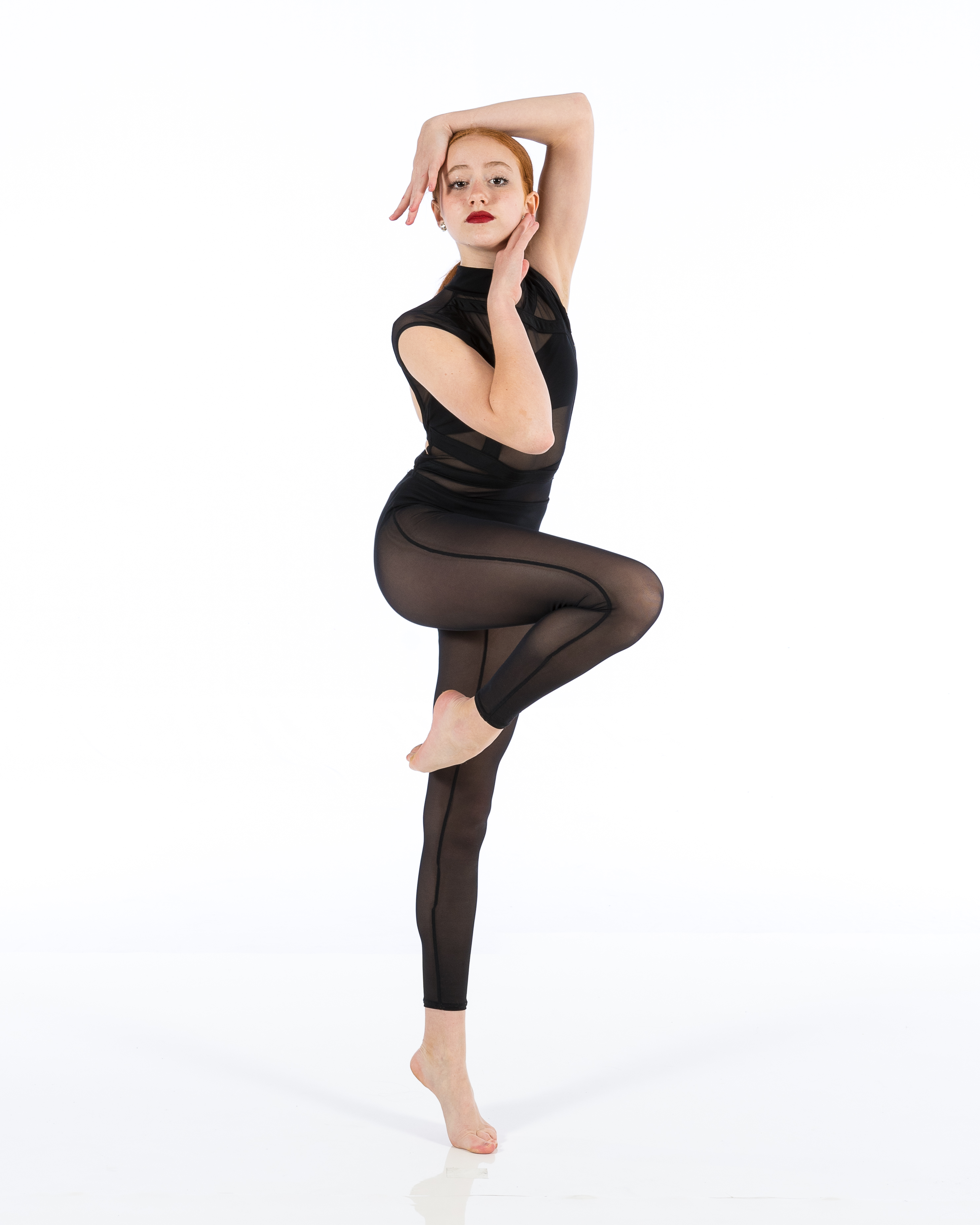
Understanding Dance Movements
What Makes Dance Unique?
Dance is not just about movement; it's about emotion, storytelling, and connection. Understanding the nuances of different dance styles—be it ballet, contemporary, hip-hop or folk—allows photographers to anticipate moments worth capturing.
- Ballet: Characterized by grace and poise. Contemporary: Often raw and expressive. Hip-Hop: Dynamic with lots of energy.
Having this understanding enables you to position yourself effectively and choose the right moments to shoot.
Choosing the Right Equipment
What Gear Do You Need?
To kick off our exploration into creative techniques for unique shots at a dance performance, let’s talk gear! Here’s what you typically need:
| Equipment | Purpose | |-------------------|-------------------------------------------| | DSLR or Mirrorless| High-quality images with fast autofocus | | Lenses | Wide aperture lenses for low light | | Tripod | Stability for long exposures | | Flash | Fill light without disturbing performers |
The right equipment can make all the difference in your final images.
Lighting Techniques
Why Is Good Lighting Important?
Lighting sets the mood in photography. In dance showcases where lighting can change rapidly, mastering these techniques ensures you maintain clarity without losing creativity.
Natural Light: Utilize ambient lighting whenever possible. Stage Lights: Understand how colored lights affect skin tones. Bounce Flash: If using artificial light sources, bounce flash off walls or ceilings for more natural illumination.Capturing Motion
How Can You Freeze Action Effectively?
Motion is integral to dance performances. Capture it effectively by experimenting with shutter speeds:
- Fast Shutter Speed (1/500s): Freezes action clearly. Slow Shutter Speed (1/60s): Creates motion blur for artistic effect.
Try combining both techniques within one performance for dynamic storytelling!
Framing Your Shots
What Are Effective Framing Techniques?
Good framing draws viewers' eyes into your image and highlights key elements of the dance:
- Rule of Thirds: Place dancers along grid lines for balanced compositions. Leading Lines: Use architectural features or stage props as guides leading towards subjects.
Experimenting with angles will give an entirely unique perspective on standard performances!
Incorporating Props and Backgrounds
How Do Props Enhance Your Shots?
Props can add context to a performance while enhancing visual interest:
- Consider using backgrounds creatively—empty spaces versus busy scenes offer stark contrasts. Utilize props such as scarves or hats creatively within your frames.
This consideration adds depth without overshadowing the dancers themselves.
Close-ups vs Wide Shots
When Should You Use Each?
Both close-ups and wide shots serve different purposes in storytelling:
- Close-ups capture emotion—focus on facial expressions or intricate footwork. Wide shots provide context—show how dancers interact with each other or their surroundings.
Mixing both types creates a well-rounded narrative throughout the showcase.
Experimenting with Angles
What Are Some Unique Angles to Try?
Changing your perspective can dramatically alter how viewers interpret an image:
Get low to ground level for an impactful view from below. Shoot from above (if possible) to highlight formations or group dynamics.Each angle brings its own flavor; don’t hesitate to experiment!
Post-Processing Magic
Why Is Editing Important?
Post-processing allows photographers to refine their images further:
Adjust exposure levels—it’s common in dimly lit environments. Crop strategically—remove distractions detracting from the main subject. Color grading enhances mood based on performative energy!Tools like Adobe Lightroom or Photoshop are fantastic resources here—play around until you find what works best!
Creating Emotion Through Photography
How Can You Evoke Feelings in Your Photos?
Photography is as much about capturing emotion as it is about technical skill:
- Look for interactions among dancers—moments filled with joy, struggle, tension can resonate deeply when captured at just the right time.
Consider using black-and-white settings if color distracts from emotional storytelling; sometimes less really is more!
Utilizing Burst Mode
What Are The Benefits of Burst Mode?
Burst mode allows you to take multiple photos in quick succession—a lifesaver when trying to catch fleeting moments during high-energy performances!
Use this feature wisely:
Set focus on dancers before activating burst mode Review afterward; select only those demonstrating peak action or emotionThis technique can help ensure nothing gets missed amidst all that movement!
Working with Dancers’ Energy Levels
How Can You Anticipate Moments During Performances?
Dancers often have varying energy levels throughout their routines; being familiar with their style helps predict high points within choreography:
Watch rehearsals if possible—learn where climaxes occur! Maintain communication with performers—they may alert you when they feel most energetic!Being dance showcase tickets prepared means capturing genuine moments rather than just staged poses!
Capturing Group Dynamics
What Techniques Work Best for Group Shots?
Group dynamics are critical in many dance showcases; effective composition here involves balancing individual visibility against collective unity:
Position yourself so all members are visible while maintaining symmetry within formation. Use varying heights—instead of everyone standing straight—as dramatic poses enhance visual interest!Consider creating layered compositions where some dancers appear closer while others fade slightly into background creating depth without overcrowding frame space too much.
FAQs About Creative Techniques at Dance Performances
1. What type of lens should I use for capturing dance performances?
Using a lens with a wide aperture (like f/2.8) allows more light into your camera while providing beautiful background blur—a must-have during live events!
2. How do I deal with low-light conditions typical in theaters?
Increase your ISO setting cautiously—not too high—to avoid graininess but still allowing enough sensitivity under dim lights would work wonders here!
3. Should I use flash during performances?
It depends! While flash might disrupt performers' focus, consider using it sparingly if necessary—the bounce method could help diffuse harshness while giving needed illumination without harsh shadows appearing across subjects’ faces.
4. How important is it to plan ahead before shooting?
Planning plays an essential role as understanding choreography lets you anticipate key movements better than improvisation alone would allow! Take notes during rehearsals if available beforehand too!
5. Is it advisable to shoot video alongside photography?
While juggling both mediums may seem tempting due share experiences more fully—it risks compromising quality overall unless specifically skilled multitasker exists who knows how balance settings between formats properly Dance Showcase you in Beaverton without losing track focus entirely either way…
6.Can editing really transform my images post-capture?
Absolutely! Even minor adjustments like color correction/brightening dark areas significantly improve overall results significantly compared original captures taken directly out camera initially without any enhancements whatsoever applied yet afterward thereafter too!
Conclusion
In conclusion, embracing creative techniques will undoubtedly lead you toward capturing unique shots at any given dance performance worthy showcasing talent displayed throughout events happening live upon stages worldwide today! By understanding movements intimately mixed alongside mastering lighting choices plus experimenting angles freely—you'll soon find yourself producing work that resonates deeply amongst audiences far beyond mere snapshots alone ever could convey adequately enough otherwise instead previously thought originally possible prior this newfound knowledge gained now acquired through ongoing practice consistently refining skills continuously developing over time moving forward forevermore henceforth onward indeed inevitably too! So get out there and start capturing those breathtaking moments—you won’t regret it!